Cornflower
A hardy, easy-to-grow annual known for its striking blue flowers and ability to thrive in low-maintenance garden spaces. Blooming throughout the summer, this drought-tolerant plant self-seeds readily, making it a reliable addition to wildflower gardens, cottage gardens, and pollinator-friendly landscapes.
The edible petals bring a pop of colour and a mild, slightly sweet flavour to salads, teas, and baked goods. A favourite for both pollinators and cut flower arrangements, cornflower is as practical as it is beautiful.
Where Can You Grow Cornflower?
Cornflower thrives in Zones 3-9, preferring full sun and well-drained soil. It grows well in meadow plantings, herb gardens, and raised beds, making it a great addition to both structured and wild garden designs.
History and Historical Uses
Native to Europe and Asia, cornflower has long been cultivated for its medicinal, culinary, and ornamental uses. Traditionally, it was used to soothe eye irritation and add colour to natural remedies. Today, it remains a staple in herbal teas, edible flower blends, and decorative bouquets.
Canadian Zone Information
Zones 8-9: Direct sow in autumn or early spring for early blooms.
Zones 5-7: Start seeds indoors in late winter or direct sow in spring after the last frost.
Zones 3-4: Direct sow in spring or mulch heavily to protect young plants over winter.

How to Grow and Harvest Cornflower
- Planting: Sow seeds 3mm (1/8in) deep, spacing plants 20-30cm (8-12in) apart.
- Watering: Keep soil lightly moist until seedlings establish; drought-tolerant once mature.
-
Harvesting:
- Pick flowers regularly to encourage extended blooming.
- Pluck petals for fresh use in salads and teas or dry for later use.
- Maintenance: Allow some plants to self-seed naturally for next year’s growth.
Seed Saving Tips for Future Supply
- Allow to Flower and Seed: Let some plants mature to produce dried seed heads.
- Harvest Seeds: Once seed heads dry and turn brown, collect before they disperse naturally.
- Dry and Clean: Remove seeds from husks and spread them on a towel to fully dry.
- Store: Keep seeds in an airtight container in a cool, dark place. Properly stored seeds remain viable for up to 3 years.
Certified Organic By
Islands Organics Producers Association (Cert#1962)
Product Information
Product Information
Shipping & Returns
Shipping & Returns
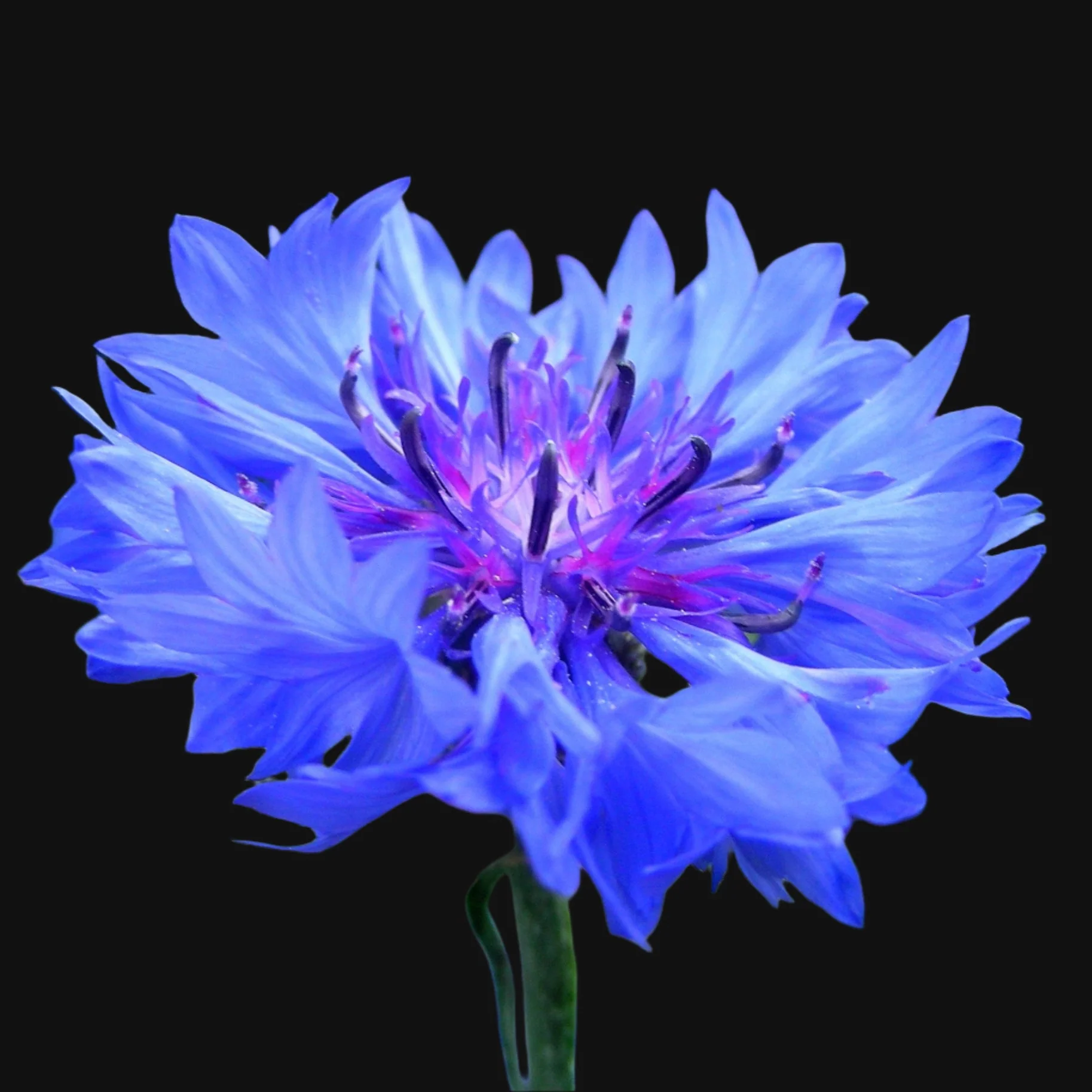

Cornflower
Cornflower
A hardy, easy-to-grow annual known for its striking blue flowers and ability to thrive in low-maintenance garden spaces. Blooming throughout the summer, this drought-tolerant plant self-seeds readily, making it a reliable addition to wildflower gardens, cottage gardens, and pollinator-friendly landscapes.
The edible petals bring a pop of colour and a mild, slightly sweet flavour to salads, teas, and baked goods. A favourite for both pollinators and cut flower arrangements, cornflower is as practical as it is beautiful.
Where Can You Grow Cornflower?
Cornflower thrives in Zones 3-9, preferring full sun and well-drained soil. It grows well in meadow plantings, herb gardens, and raised beds, making it a great addition to both structured and wild garden designs.
History and Historical Uses
Native to Europe and Asia, cornflower has long been cultivated for its medicinal, culinary, and ornamental uses. Traditionally, it was used to soothe eye irritation and add colour to natural remedies. Today, it remains a staple in herbal teas, edible flower blends, and decorative bouquets.
Canadian Zone Information
Zones 8-9: Direct sow in autumn or early spring for early blooms.
Zones 5-7: Start seeds indoors in late winter or direct sow in spring after the last frost.
Zones 3-4: Direct sow in spring or mulch heavily to protect young plants over winter.
How to Grow and Harvest Cornflower
- Planting: Sow seeds 3mm (1/8in) deep, spacing plants 20-30cm (8-12in) apart.
- Watering: Keep soil lightly moist until seedlings establish; drought-tolerant once mature.
-
Harvesting:
- Pick flowers regularly to encourage extended blooming.
- Pluck petals for fresh use in salads and teas or dry for later use.
- Maintenance: Allow some plants to self-seed naturally for next year’s growth.
Seed Saving Tips for Future Supply
- Allow to Flower and Seed: Let some plants mature to produce dried seed heads.
- Harvest Seeds: Once seed heads dry and turn brown, collect before they disperse naturally.
- Dry and Clean: Remove seeds from husks and spread them on a towel to fully dry.
- Store: Keep seeds in an airtight container in a cool, dark place. Properly stored seeds remain viable for up to 3 years.
Certified Organic By
Islands Organics Producers Association (Cert#1962)
Product Information
Product Information
Shipping & Returns
Shipping & Returns
Description
A hardy, easy-to-grow annual known for its striking blue flowers and ability to thrive in low-maintenance garden spaces. Blooming throughout the summer, this drought-tolerant plant self-seeds readily, making it a reliable addition to wildflower gardens, cottage gardens, and pollinator-friendly landscapes.
The edible petals bring a pop of colour and a mild, slightly sweet flavour to salads, teas, and baked goods. A favourite for both pollinators and cut flower arrangements, cornflower is as practical as it is beautiful.
Where Can You Grow Cornflower?
Cornflower thrives in Zones 3-9, preferring full sun and well-drained soil. It grows well in meadow plantings, herb gardens, and raised beds, making it a great addition to both structured and wild garden designs.
History and Historical Uses
Native to Europe and Asia, cornflower has long been cultivated for its medicinal, culinary, and ornamental uses. Traditionally, it was used to soothe eye irritation and add colour to natural remedies. Today, it remains a staple in herbal teas, edible flower blends, and decorative bouquets.
Canadian Zone Information
Zones 8-9: Direct sow in autumn or early spring for early blooms.
Zones 5-7: Start seeds indoors in late winter or direct sow in spring after the last frost.
Zones 3-4: Direct sow in spring or mulch heavily to protect young plants over winter.
How to Grow and Harvest Cornflower
- Planting: Sow seeds 3mm (1/8in) deep, spacing plants 20-30cm (8-12in) apart.
- Watering: Keep soil lightly moist until seedlings establish; drought-tolerant once mature.
-
Harvesting:
- Pick flowers regularly to encourage extended blooming.
- Pluck petals for fresh use in salads and teas or dry for later use.
- Maintenance: Allow some plants to self-seed naturally for next year’s growth.
Seed Saving Tips for Future Supply
- Allow to Flower and Seed: Let some plants mature to produce dried seed heads.
- Harvest Seeds: Once seed heads dry and turn brown, collect before they disperse naturally.
- Dry and Clean: Remove seeds from husks and spread them on a towel to fully dry.
- Store: Keep seeds in an airtight container in a cool, dark place. Properly stored seeds remain viable for up to 3 years.
Certified Organic By
Islands Organics Producers Association (Cert#1962)